Prostate Health

    Prostate BPH Treatment

    Book Prostate Consultation
    Prostate BPH Treatment

    Non-surgical, NDA-registered homeopathic treatment for benign prostatic hyperplasia. Our natural approach helps men across Uganda restore urinary function and quality of life — without surgery.

    Understanding Prostate BPH

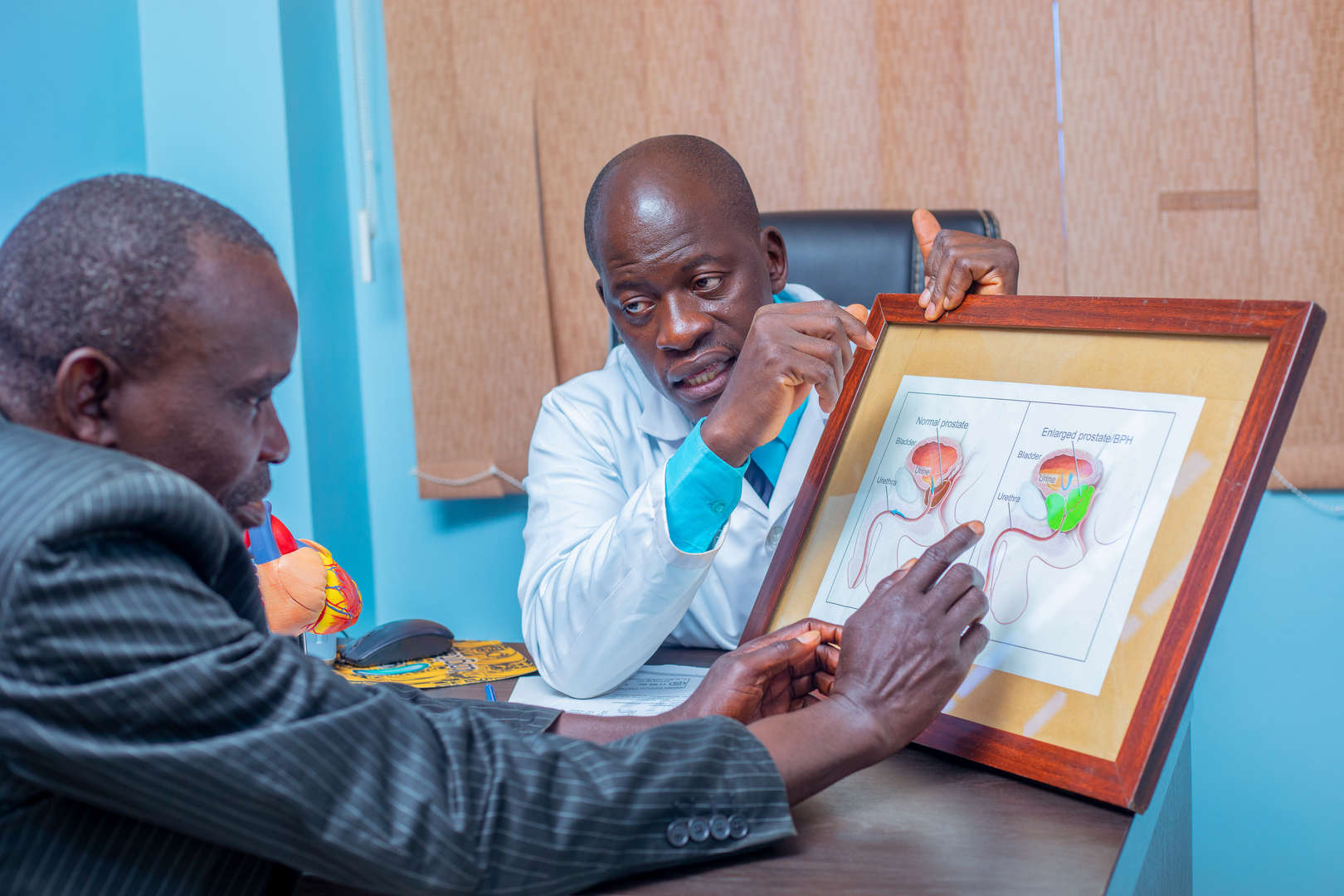
    Benign Prostatic Hyperplasia (BPH) is a non-cancerous enlargement of the prostate — a small gland that sits beneath the bladder, with the urethra running through its centre. A healthy prostate is usually under 30 cm³, but the gland tends to keep growing with age, so as it enlarges it presses on the urethra and restricts the flow of urine. BPH commonly begins to affect men from around the age of 45, and becomes more likely the older a man gets.

    It is a very common condition. By around the age of 60, roughly half of men show some signs of BPH, and by 85 that rises to about 90%. Around half of all men with BPH eventually develop symptoms that need treatment.

    At Crest Natural Health Centre, we treat BPH using NDA-registered homeopathic medicine (Registration Number THA 229). Our approach avoids surgery and focuses on easing the prostate enlargement, relieving urinary symptoms, and restoring normal urinary function.

    Common Symptoms

    Frequent urination, especially at night (nocturia)
    A sudden or urgent need to urinate
    Difficulty starting to urinate, or straining to go
    A weak or slow urine stream that starts and stops
    Dribbling at the end of urination
    A feeling that the bladder is never completely empty
    Poor bladder control or involuntary leaking of urine

    Causes & Triggers

    Age is the single biggest factor. An enlarged prostate rarely causes symptoms before 40, but from then on the likelihood climbs steadily with each passing decade.
    As men grow older, shifts in the balance of sex hormones are believed to drive the prostate's continued growth.
    Family history plays a part — having a close blood relative who has had prostate problems raises your own risk.
    Long-term health conditions matter too; both diabetes and heart disease have been linked to a higher chance of developing BPH.
    Lifestyle has an influence as well. Carrying excess weight raises the risk, while staying physically active helps to lower it.

    Risks of Delaying Care

    Urinary tract infections — when the bladder never empties fully, the urine left behind can become a breeding ground for infection.
    Bladder stones — urine that sits in the bladder can let minerals crystallise into hard stones, which may cause irritation, blood in the urine, and further blockage.
    Bladder damage — a bladder that is repeatedly left full can gradually stretch and weaken until it no longer empties as it should.
    Kidney damage — when urine cannot drain freely, the back-pressure can reach the kidneys and harm them over time.
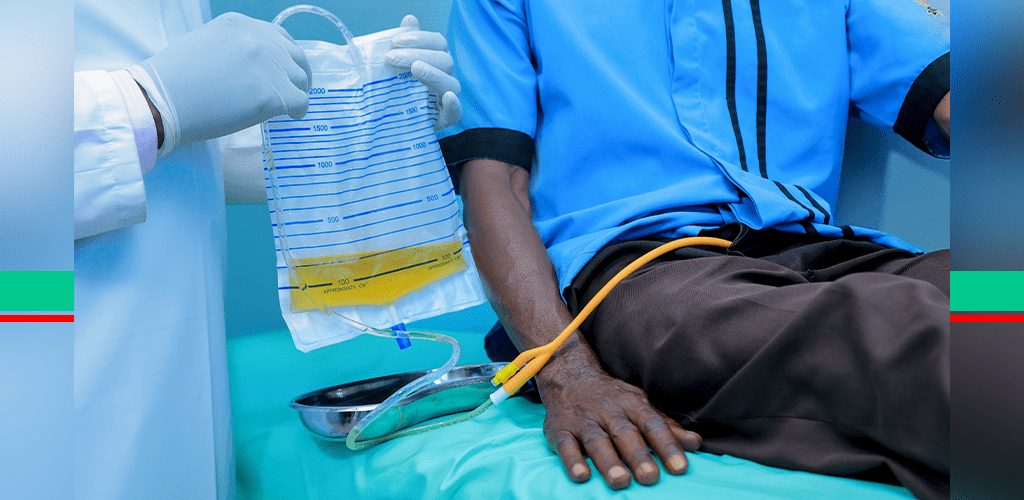
    Acute urinary retention — the flow of urine can stop suddenly and completely, a painful emergency that needs a catheter to relieve the bladder.

    How We Diagnose It

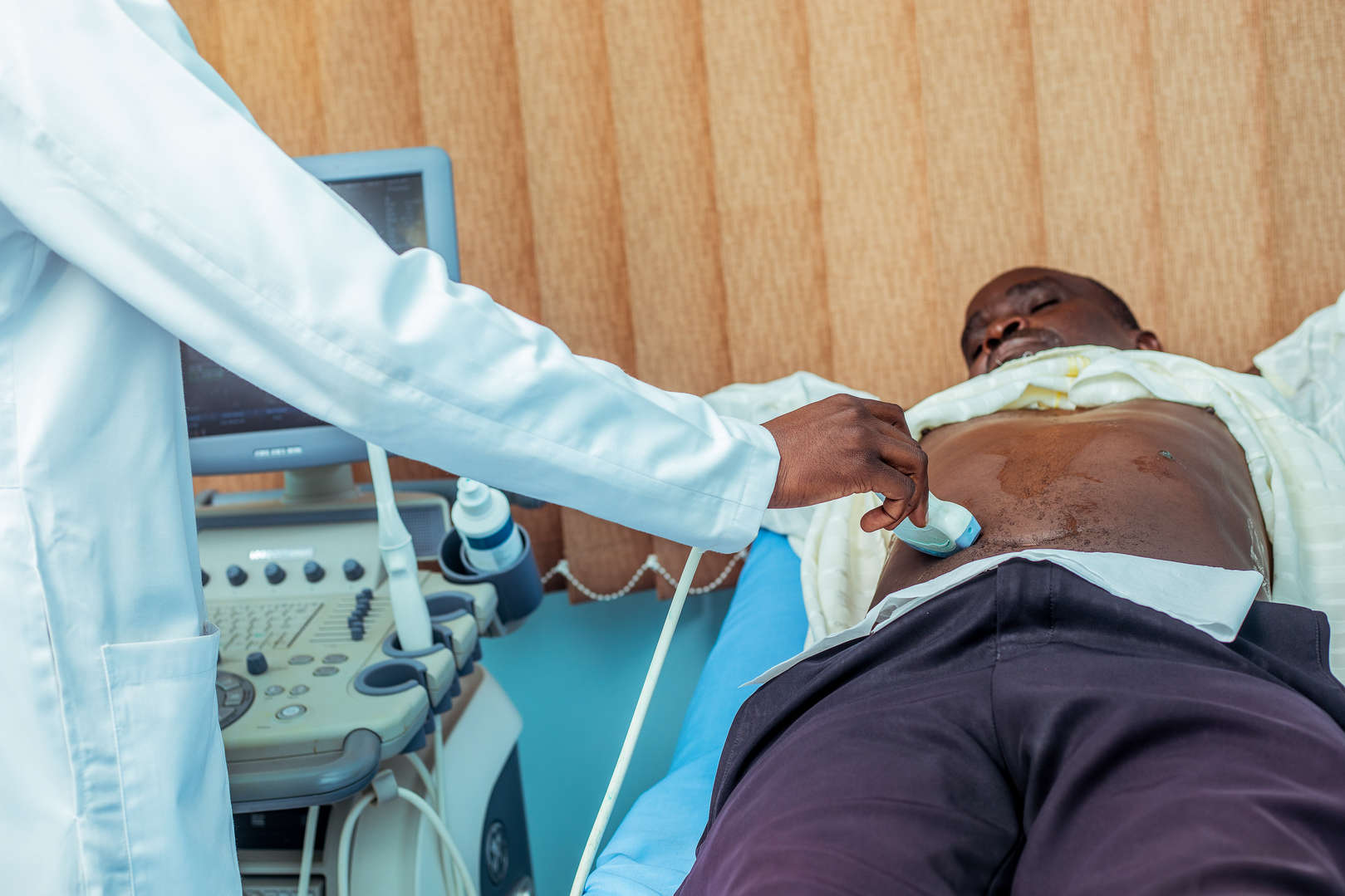
    Abdominal ultrasound scan to assess the size of the prostate
    Prostate Specific Antigen (PSA) blood test to help rule out prostate cancer
    Prostate histopathology where further assessment is needed

    Treatments We Offer

    NDA-Registered Homeopathic Medicine

    We treat benign prostatic hyperplasia with homeopathic medicine registered with Uganda's National Drug Authority (Registration Number THA 229).

    Non-Surgical Approach

    Our treatment relieves prostate enlargement without the need for surgery.

    Support for Catheter Users

    For men dependent on a catheter, our care supports a gradual return to normal urination as symptoms improve.

    From Our Clinic
    Prostate BPH — clinic photo 1
    Prostate BPH — clinic photo 2
    Prostate BPH — clinic photo 3
    Patient Story
    Prostate patient testimonial

    I was urinating through a urinary catheter and I'm now fine after treatment from Crest Natural Health Centre.

    Prostate

    Patient